Ending fragmentation to advance women’s health equity in Nigeria
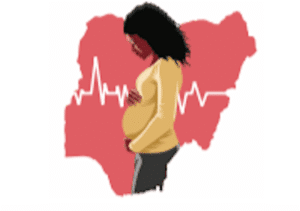
Fragmentation in Nigeria’s health system isn’t just a technical problem. It costs lives. Such as the case of Amina, a young mother-to-be in Lagos. She arrived at her local clinic in labour and the nurses were ready, but the equipment she needed wasn’t. She was rushed to a larger hospital. Precious hours were lost. Despite everyone’s best efforts, she didn’t make it.
This heartbreaking story is far too common. Fragmented health services, siloed programs, disconnected policies, and gaps in care leave women like Amina navigating a system that too often fails them.
Why are Nigerian women still at such high risk?
Despite decades of progress, Nigerian women still face some of the highest risks in maternal mortality and reproductive health inequities globally. Women are half the population yet bear the brunt of a health system that isn’t designed to serve them holistically. Maternal deaths, preventable complications, limited access to reproductive health services, rising vulnerability to HIV and gender-based violence; these are the human costs of fragmentation. Every disconnected policy, every siloed program, every missed connection in care is felt in the lives of real women and families.
Why women’s health equity matters to us all
Women’s health equity is about fairness, opportunity, and dignity. Every woman should be able to access the care she needs, the information she deserves, and the support that allows her to thrive. This isn’t just a policy goal. It is a moral need. When women are empowered, families thrive, children are more likely to attend school, households enjoy better sanitation and healthier environments, and communities become stronger. Advancing women’s health equity strengthens Nigeria at every level.
Fragmentation as the root of the problem
Fragmentation lies at the heart of these inequities. Maternal care is separated from reproductive health services. Hospitals operate independently from community programs. Policies exist on paper but never reach those who need them most. Fragmentation is more than inefficiency. It is a barrier that costs lives, erodes trust, and leaves women like Amina to navigate impossible challenges alone.
A vision for a connected health system
Now imagine a different Nigeria. A system where community health workers, clinics, hospitals, policymakers, and advocates work as one. Women receive timely, coordinated care. Information flows freely. Services are accessible, seamless, and woman-centred. No woman falls through the cracks.
Making this vision a reality
Ending fragmentation is a collective responsibility. It requires collaboration, coordination, and the courage to put women’s voices at the center of our health system. We must treat women’s health equity as both a moral and systemic responsibility. Together, we can ensure no woman is left behind and that every woman can thrive with dignity and fairness.
Bridging the gaps
A connected, responsive health system is possible. A Nigeria where every woman receives the care she needs is within our reach. Let us dismantle the silos and build a future where women’s lives are valued, protected, and empowered.